Prepare for Wind Ensemble Rehearsal Efficiently
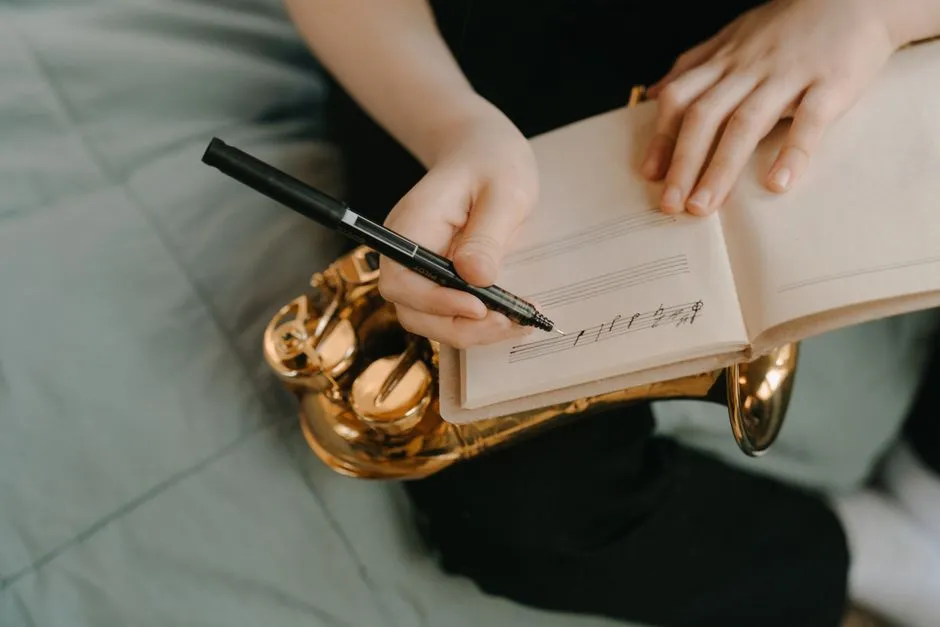
Arrive knowing where the part can break
Prepare for wind ensemble rehearsal by scanning the complete part, marking navigation and breaths, practicing exposed entries and difficult transitions, and listening to reference material when legally available. Learn enough context to re-enter after an error. Rehearsal combines prepared individual parts into one directed ensemble. Learn the part before the group session.
Audit the part
Check that you have the correct instrument, part, edition, and page order. Mark repeats, endings, cues, meter and tempo changes, mutes or equipment changes where applicable, and any prior conductor instructions.
Use removable, appropriate pencil markings unless the owner or organization directs otherwise. Do not obscure printed information or permanently mark borrowed music.
Rank passages by rehearsal risk
Prioritize:
- exposed entrances;
- rapid or awkward transitions;
- difficult rhythms;
- extreme dynamics or range;
- solos and section features;
- page turns and instrument changes;
- passages following long rests;
- notes that affect ensemble intonation.
Practice the entrance and exit around each difficulty, not only the center, and use full rests between concentrated repetitions.
Separate rhythm, notes, and sound
Count or clap difficult rhythms, finger silently, and then play at a manageable tempo. Use scale practice for key patterns and sight-reading methods for unfamiliar navigation.
Restore articulation, dynamics, and phrase shape after coordination is secure. A correct sequence played without its musical function may still be unprepared.
Mark breath plans safely
Choose breath points that preserve phrase and personal comfort. Coordinate staggered breathing or sectional plans with the conductor and colleagues. Do not hide symptoms to maintain a line. Stop immediately for breathing distress, dizziness, faintness, visual change, pain, numbness, weakness, loss of control, or sudden hearing changes. Sit or lie safely as appropriate and seek qualified medical care. Sudden or severe symptoms require urgent local medical attention.
Follow conductor and venue hearing-protection requirements during individual and group preparation. Ask an audiologist or occupational-health clinician to help choose protection suited to your hearing and rehearsal setting. Stop playing and seek medical care for sudden hearing changes.
Listen beyond your own line
Identify who carries melody, bass, pulse, countermelody, or the pitch you must match. Listen to a reliable score-based or authorized reference if assigned, then study the printed part. Record questions rather than copying uncertain details from a different edition.
Prepare the instrument and supplies
Use a sound reed and approved accessories, and bring required music, pencil, swab, and other ensemble-specified items. Assemble and inspect according to manufacturer instructions. Damaged keys, springs, cork, pads, or stuck parts belong with a qualified repair technician.
The beginner practice routine can distribute preparation across available sessions so difficult passages are not compressed into one sitting.
Rehearse recovery
Begin from several rehearsal marks, count long rests, and practice entering from a cue. If lost, follow the conductor, stop playing when necessary, locate the next landmark, and rejoin accurately. Continuing random notes creates a second problem for the ensemble to solve.
Bring precise questions
Write measure number, beat, and issue: articulation length, divisi assignment, breath, tempo relationship, or edition conflict. Ask at an appropriate time. Specific questions are faster to answer and kinder to the room.
Preparation succeeds when you can play your part, hear its role, follow direction, recover after errors, and adjust to the conductor and ensemble.
The National Institute on Deafness and Other Communication Disorders says long or repeated exposure at or above 85 dBA can cause hearing loss, and that louder sound shortens the time needed for harm. Its current guidance advises reducing noise, using hearing protection, or moving away when noise cannot be reduced. Treat level, duration, and distance together. NIDCD says sudden-deafness symptoms are a medical emergency and advises visiting a doctor immediately; its sudden-deafness guidance explains that delay can reduce treatment effectiveness.