Choose Saxophone Reed Strength by Response
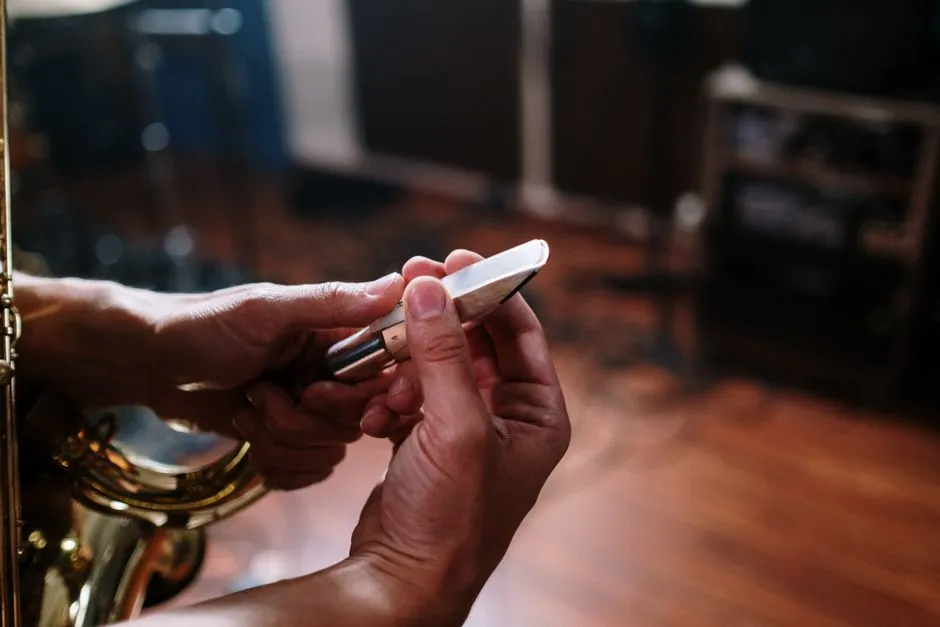
Choose response, not rank
Choose saxophone reed strength by testing how a specific reed responds with your mouthpiece, instrument, embouchure, air, and music. A suitable reed starts comfortably, supports the needed dynamics and register, and allows a stable tone without excessive pressure or force. Printed strength numbers are product-specific and do not form one universal ladder.
Control the comparison
Use reeds of the same cut and product when comparing adjacent strengths, and inspect each for damage. Play the same warm-up, scale, articulation pattern, soft entrance, moderate passage, and upper-register phrase.
One reed can be unusually easy or resistant within a box. Compare more than one example before judging the entire strength.
Notice signs of excessive resistance
A reed may feel too resistant for the current setup if response is consistently delayed, soft playing becomes unreliable, articulation feels heavy, and the player compensates with pressure or force. These signs can also come from embouchure, mouthpiece, leaks, assembly, or instrument condition.
Stop immediately for breathing distress, dizziness, faintness, visual change, pain, numbness, weakness, jaw symptoms, loss of control, or sudden hearing changes. Sit or lie safely as appropriate and seek qualified medical care. Sudden or severe symptoms require urgent local medical attention. Do not use symptoms as evidence that the reed is building strength.
Notice signs of insufficient stability
A reed may feel too flexible if tone and pitch become difficult to stabilize at the required dynamic, attacks spread, or the reed closes under normal playing. Again, damage, uneven material, mouthpiece mismatch, or technique can produce similar results.
Use embouchure basics and articulation practice to separate player coordination from equipment response.
Compare across musical tasks
Test the quietest required entrance, a moderate sustained note, articulated notes, slurred register changes, and current repertoire. The best reed for one loud ensemble passage may not serve a delicate solo, and a reed that feels easy for five notes may become unstable across the whole range.
Use full rests between comparisons.
Account for the complete setup
Mouthpiece facing, tip opening, chamber, ligature, saxophone condition, reed cut, and player all influence response. Do not transfer a strength recommendation from another setup as if the printed number carried identical resistance.
A qualified teacher can hear balance and a technician can rule out leaks or damage. Recurring poor response across several known-good reeds deserves that assessment.
Care for the test reeds consistently
Prepare, mount, dry, and store each reed the same approved way. Saxophone reed care keeps storage and condition consistent so the comparison reflects reed response more clearly.
Record product, cut, strength, date, and response in actual music. Avoid invented conversion charts between brands unless the manufacturers provide one for the exact products.
Keep a mixed working set when useful
Players may use different responses for different mouthpieces, instruments, repertoire, or conditions. Label the holder clearly and choose before rehearsal rather than conducting the entire comparison while colleagues tune.
Confirm the result on another day
Repeat the comparison on another day before changing a full working set. Daily response can vary.
Reed strength is a setup choice, not a grade level. Select the reed that responds predictably, supports the required sound, and lets the player work without excess force.
The National Institute on Deafness and Other Communication Disorders says long or repeated exposure at or above 85 dBA can cause hearing loss, and that louder sound shortens the time needed for harm. Its current guidance advises reducing noise, using hearing protection, or moving away when noise cannot be reduced. Treat level, duration, and distance together. NIDCD says sudden-deafness symptoms are a medical emergency and advises visiting a doctor immediately; its sudden-deafness guidance explains that delay can reduce treatment effectiveness.